Nebrak: Sustainability at the Core of Workplace Refreshment Furniture Solutions
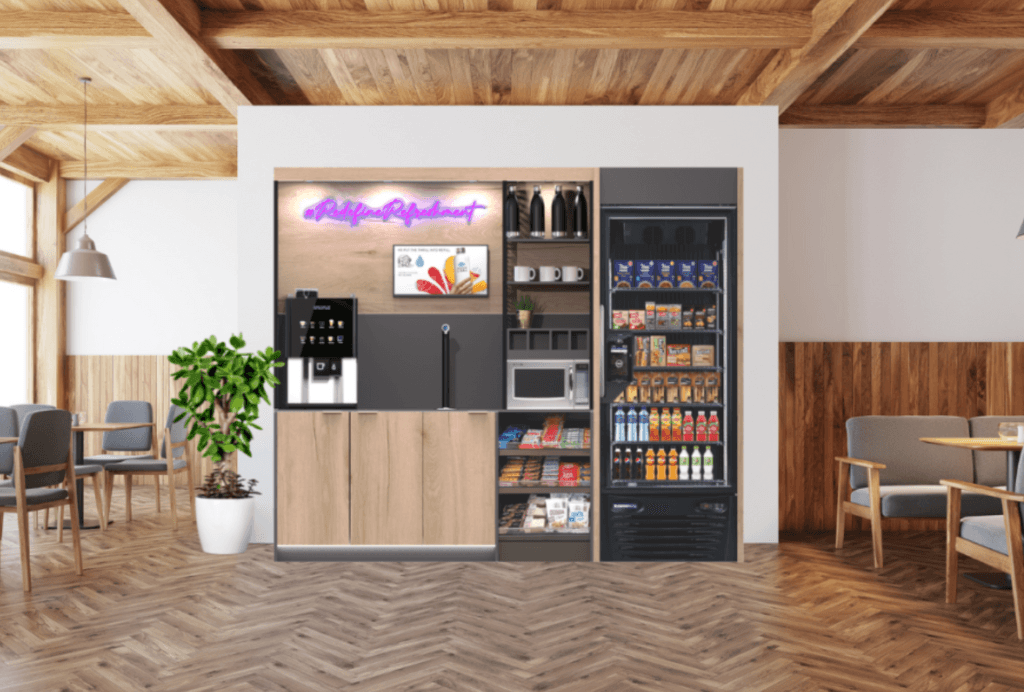
At Nebrak, sustainability is more than a principle—it's the bedrock of their workplace refreshment furniture solutions, guiding them from inception to completion. Every step of their production process, from their own factory in Devon, reflects an unwavering commitment to environmental stewardship, starting with initial surveys that optimise space to the planning of installation logistics. During the design phase, the team not only champions but also introduces clients to the latest material and equipment innovations that promote sustainability without sacrificing functionality and aesthetics.
Commitment to Sustainable Materials and Partnerships
Nebrak handpicks partners who align with their values, placing sustainability at the forefront alongside durability and circularity. Brands such as Egger and Kronospan, known for their commitment to responsible wood usage and ongoing efforts to enhance environmental practices, are integral to Nebrak's ethos. Additionally, they source from solid surface specialists like Durasein, renowned for their eco-friendly attributes, durability, and recyclability, surpassing natural stone alternatives.
Innovative Refreshment Solutions
The Refreshment Destination collection has evolved to accommodate the latest in smart taps, as showcased at WDS London 2024. These solutions enable clients to provide a practical and sustainable hydration alternative to bottled water that’s energy-efficient and eliminates single-use plastic, contributing to a positive move towards Net Zero. In line with their commitment to energy efficiency, all Nebrak furniture solutions feature LED lighting options, offering significant energy savings, longevity, and aesthetic enhancement. This custom-designed approach ensures seamless integration of lighting, crucial for showcasing equipment, food, and beverages in vending and automated retail solutions.
Integrating Sustainable Practices
Nebrak prioritises on-site recycling by incorporating recycling units and chutes into their designs, making sustainable practices an integral part of workplace refreshment, not an afterthought. Moreover, their dedication to sustainability extends well beyond installation. Specialising in bespoke solutions enables Nebrak to deliver new and adapt, upgrade, add to, or relocate existing installations with ease, drastically reducing the need for new projects and minimising environmental impact while meeting evolving needs.
Landfill Diversion Strategy
In line with this commitment, Nebrak has introduced a new landfill diversion strategy in partnership with Biffa. This strategic collaboration enables Nebrak to closely monitor their wood wastage and reaffirm their commitment to recycling. By meticulously tracking waste output, Nebrak can implement more effective recycling practices, further reducing their environmental footprint and promoting a circular economy.
Adapting to Changing Demands
As businesses evolve, Nebrak's design and joinery expertise ensure that workplace refreshment solutions can effortlessly adapt to changing demands. This flexibility not only promotes sustainability by extending the lifespan of existing assets but also offers commute-worthy solutions that evolve with requirements over time.
Continuous Journey of Sustainability
At Nebrak, sustainability isn't just about initial creation; it's about ensuring that solutions continue to serve clients and the environment in the most efficient and responsible manner possible. It’s a continuous journey towards a more sustainable future.

Daisalux Presents ATRIA AEX: The High-Performance Emergency Floodlight for Demanding Exteriors
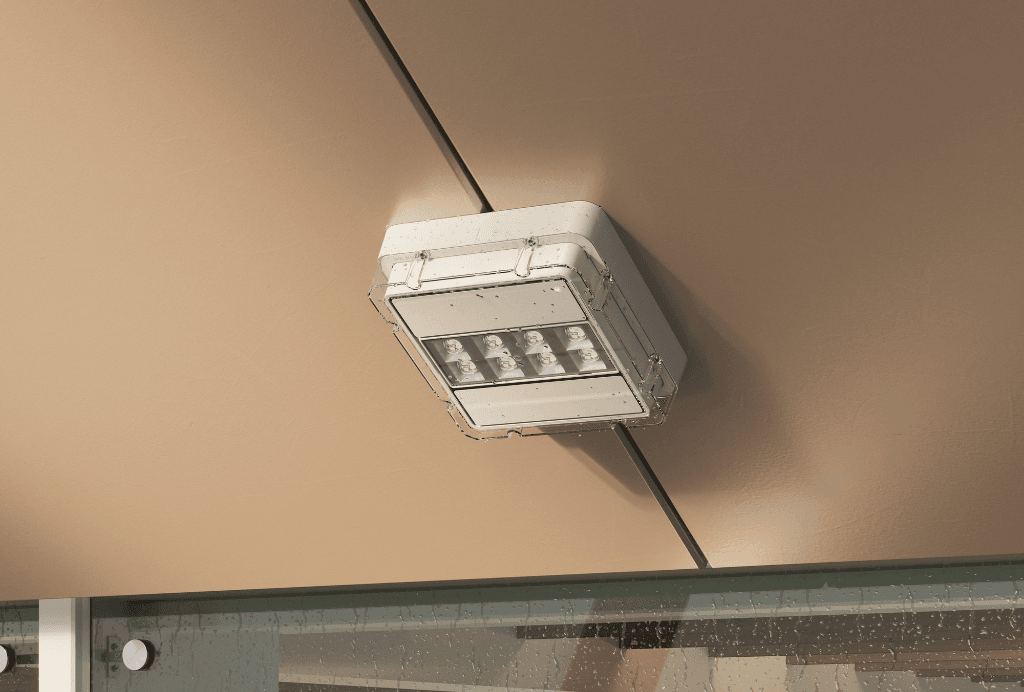
Daisalux introduces its latest innovation: ATRIA AEX. This cutting-edge floodlight sets a new standard in exterior emergency lighting, offering a definitive solution for a wide range of outdoor applications. With its exceptional performance and compact design, ATRIA AEX delivers unmatched coverage over large areas.
Key Features and Applications
With its heavy-duty performance, durability, and superior build, ATRIA AEX is perfect for airports, stations, sports complexes, stadiums, and other large spaces. One of the standout features of ATRIA AEX is its specialised optics, designed in-house specifically for its intended use: ceiling-mounted emergency lighting, wall-mounted emergency lighting, and ceiling/wall escape route lighting. This versatility ensures excellent ergonomics and visual consistency in challenging spaces and situations.
Robust and Versatile Design
ATRIA AEX is a versatile floodlight designed to meet a wide range of lighting needs. Its construction features an inner body made of aluminium, along with a base composed of polyamide with glass fibre and a diffuser crafted from polycarbonate resistant to UV radiation. This robust design enables the floodlight to operate within a temperature range of -10ºC to 45ºC, with an estimated lifespan of 70,000 hours L90/B10.
Compact and Efficient
Despite its powerful performance, ATRIA AEX maintains a compact size, measuring just 275 mm in base diameter, 275 mm in height, and 88 mm in thickness. This compact design is made possible by its small internal circuit, which minimises heat generation and ensures low energy consumption. An electronic transformer and microcontroller work in tandem to manage the operation of the battery, drivers, light sources, and communications.
Advanced Battery Technology
The floodlight is powered by Lithium (LiFePO4) batteries equipped with temperature-dependent charge control electronics and independent voltage control in each module, ensuring consistent electrochemical charge throughout the batteries’ lifespan. Additionally, the batteries are strategically positioned away from heat sources to enhance their longevity, while a safety thermal probe regulates their charge based on temperature conditions.
For more information, visit Daisalux ATRIA AEX.
Pioneering Sustainability: LapSafe®'s Green Approach to Smart Solutions
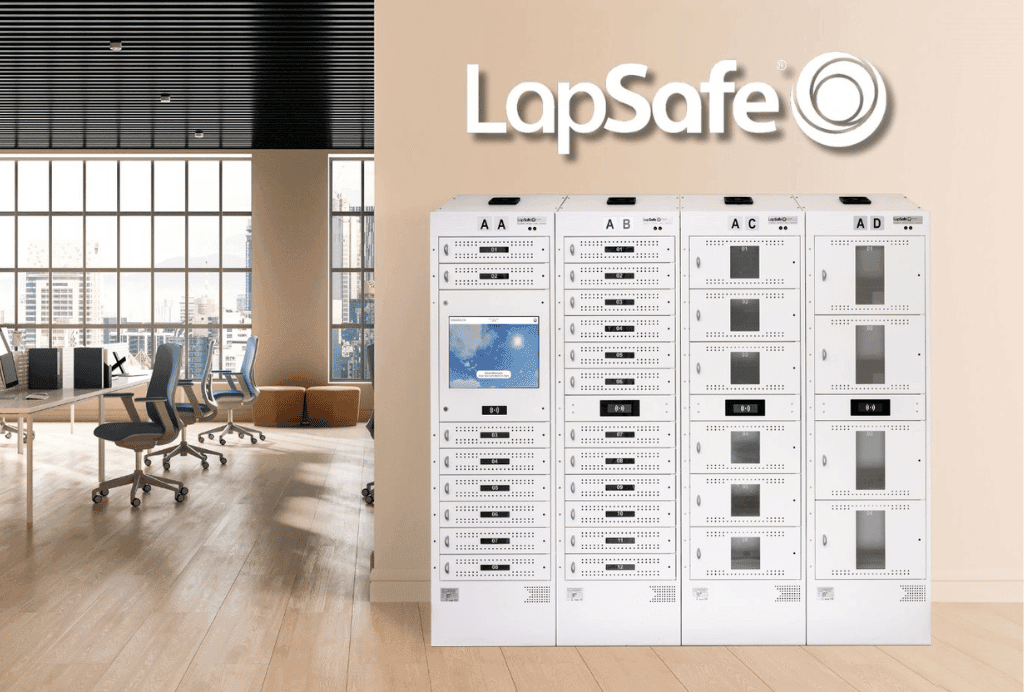
In today's world, sustainability isn't just a trend; it's a necessity. Companies worldwide are re-evaluating their practices to align with eco-friendly principles, and LapSafe®, industry-leading experts in Smart Lockers and Storage and Charging Solutions, is leading the charge with its commitment to sustainability. At LapSafe®, environmental responsibility isn't an afterthought; it's ingrained in every aspect of their operations.
Material Choices
A fundamental aspect of LapSafe®'s sustainability strategy is its choice of materials. LapSafe® opts for recycled steel in crafting their Smart Lockers and Storage and Charging Solutions. This deliberate choice not only reduces their carbon footprint but also contributes to the conservation of precious natural resources.
Product Longevity
LapSafe®'s dedication to sustainability extends to the longevity of their products. Designed to withstand the test of time, LapSafe®'s solutions boast an impressive track record, with some units remaining operational for over two decades. By prioritising durability, LapSafe® minimises the need for frequent replacements, thereby reducing waste and promoting resource efficiency.
Energy Efficiency
Energy efficiency is another cornerstone of LapSafe®'s sustainability efforts. Their SmartLine™ charging technology is integrated into its PowaSave™ power management system. This technology intelligently regulates the charging process, automatically powering off once devices reach full battery capacity to prevent energy wastage. This not only saves electricity but also helps lower operational costs for LapSafe®'s customers.
Compliance and Standards
LapSafe® proudly complies with ISO 14001:2015, a globally recognised environmental management system standard. LapSafe® ensures that its operations are aligned with the highest sustainability benchmarks. This commitment to continuous improvement reflects LapSafe®'s dedication to minimising its environmental footprint and driving positive change.
Sustainable Practices at Headquarters
Alongside prioritising sustainability in its solutions, LapSafe® also makes conscious choices throughout its headquarters, such as using LED or motion-activated lighting, recycling materials, and supporting employee hybrid working and remote customer support.
WEEE Directive Compliance
To minimise its environmental footprint further, LapSafe® adheres to the Waste Electrical and Electronic Equipment Recycling (WEEE) directive, responsibly recycling batteries, technology, cables, and other materials.
Holistic Impact
LapSafe®’s dedication to sustainability not only preserves natural resources but also safeguards ecosystems, reduces costs, and fosters a cleaner, healthier planet for generations to come.
Leading the Industry
LapSafe®'s pioneering approach to sustainability sets them apart as true leaders in the field of Smart Lockers and Storage and Charging Solutions. Through their conscious material choices, durable products, energy-efficient technology, and adherence to international standards, LapSafe® demonstrates that profitability and sustainability can go hand in hand. As the world navigates environmental challenges, LapSafe® stands as a testament to the power of innovation and responsible business practices in creating a brighter, greener future for all.
For more information, visit LapSafe® or contact them at [email protected] or 0845 130 3456.
Embracing Sustainability and Innovation with Cascando at the Upcoming Expo
Today's workspaces are not just about ergonomic chairs and well-lit desks; they are about fostering a culture that enhances productivity, creativity, and well-being. This is where Cascando's genius lies, a company that has been complementing workspaces with smart, functional, and well-designed solutions for years, creating a positive office vibe that resonates through its innovative products.
Cascando's Philosophy and the Modern Workspace
Cascando's approach is deeply rooted in understanding the needs of modern workplaces. They know that employees seek connection and enjoyment at work, teams aim for productivity and a strong team spirit, and organisations desire an environment that strengthens their work culture and reflects their brand identity. Through their complementing collection, Cascando offers a range of products like hybrid organisers for dynamic work settings, social furniture for informal meetings, and functional acoustics that are both decorative and practical.
The Patio: A Beacon of Multifunctionality and Sustainability
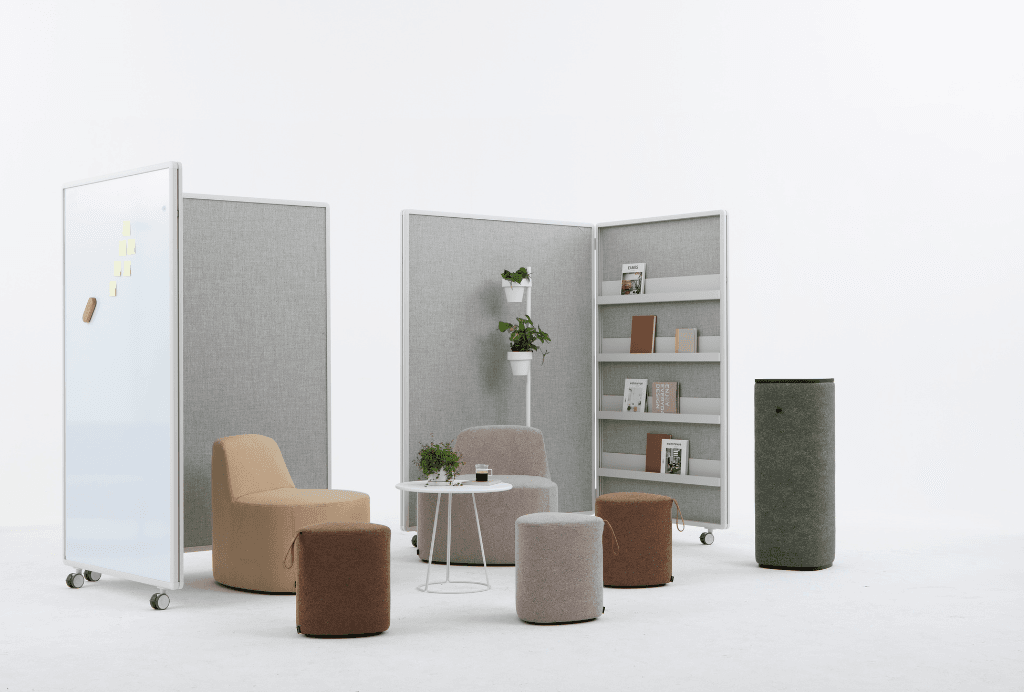
One of Cascando's standout innovations is Patio, a multifunctional room divider designed for the hybrid work environment of tomorrow. Patio not only provides visual and acoustic privacy but also enhances the productivity, connectivity, and well-being of individuals and teams. Whether it is the agile Patio Single, the versatile Patio Connect, the compact Patio Fold, or the storage-savvy Patio Double, each design is a testament to Cascando's commitment to functionality and sustainability.
Patio's multifunctional nature is inherently sustainable, designed to adapt to various needs without requiring additional resources or space alterations. Each element can be equipped with upholstered and acoustic panels, whiteboards, or video screens, making it a comprehensive solution for any workspace.
Cyclin: The Heart of Cascando’s Acoustic Innovation
A crucial aspect of Patio’s design is its use of Cyclin, an innovative material made from 100% recycled newspaper. This not only makes it a completely circular material but also gives it exceptional sound-absorbing properties. The use of Cyclin is a reflection of Cascando’s dedication to sustainability and innovation, with all production taking place within the Netherlands. This local production ensures reduced carbon footprints and supports local economies, aligning perfectly with Cascando's sustainable practices.
Sustainable Choices in Materials and Designs
Cascando’s dedication to sustainability extends beyond Cyclin. Customers have the option to choose from a variety of sustainable fabrics for the upholstered panels, allowing for customisation that adheres to environmental standards. This choice empowers customers to participate actively in eco-friendly practices while enjoying top-tier design and functionality.
Looking Towards the Future
As noted by designer Robert Bronwasser, Patio is a people-centred design solution that responds adeptly to the five needs of the hybrid working world: flexibility, bonding, comfort, safety, and productivity. At the upcoming expo, Cascando’s display of Patio and other innovative products will showcase how they continue to lead the way in designing office spaces that are not only functional but are also hubs of creativity and sustainability.
As the expo approaches, it is clear that Cascando’s solutions are geared towards creating the offices of the future—spaces that are adaptive, sustainable, and designed with the well-being of their users in mind. Join in to see how Cascando is shaping the future of work, one space at a time.
CECOCECO's ArtMorph Revolutionizes Sustainable Lighting in Architecture and Design
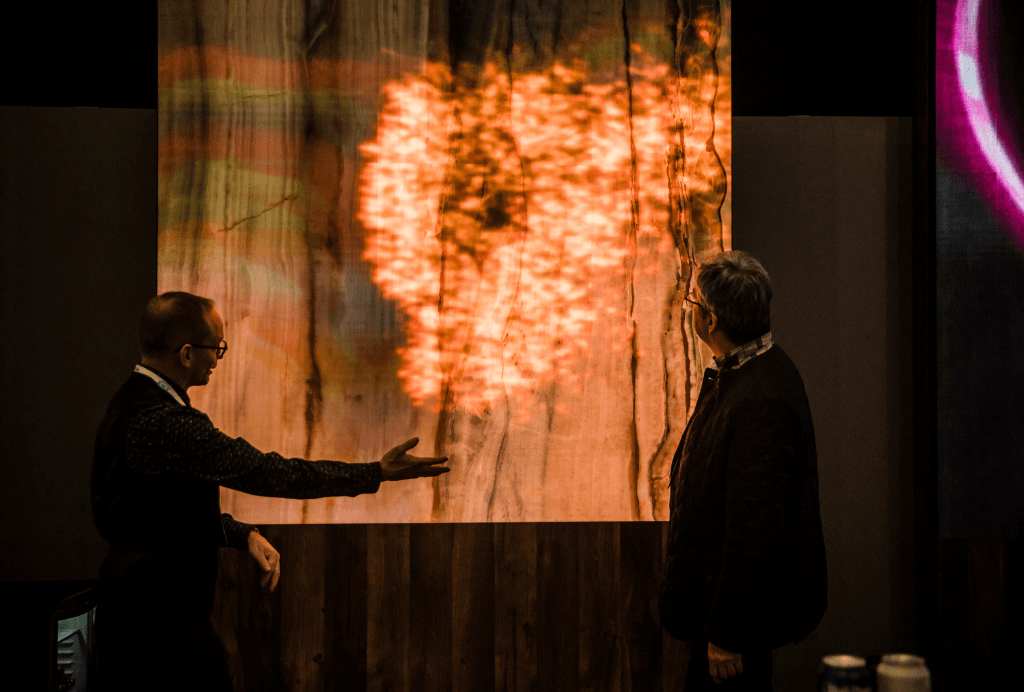
CECOCECO's ArtMorph, an innovative luminous wall panel, integrates advanced lighting technology with aesthetic design, making significant strides towards sustainability in the design and architecture industry. It is tailored for various settings, including hotel lobbies, art galleries, and retail locations, offering not just illumination but also enhancing the environmental aesthetics of these spaces.
ArtMorph stands out due to its combination of high-resolution LED displays with diverse natural textures such as wood, stone, textile, and metal. It emphasises the use of materials that are both visually appealing and environmentally considerate. These panels support over 150 customisable texture collections, allowing for a high degree of adaptability to different design needs and preferences, thus reducing the need for frequent renovations or material wastage.
A noteworthy feature of ArtMorph is the longevity of its components. The LED displays, protected behind durable covers, boast a lifespan of more than 10 years due to the utilisation of top-quality LED beads and ICs. Combined with replaceable covers, this allows users to frequently renovate their spaces with less waste and reduced costs, further underlining the sustainability of the product.
ArtMorph’s environmental impact is mitigated through its energy-efficient LED technology, which ensures lower power consumption compared to traditional lighting solutions. This technology offers superior brightness and clarity while operating at a significantly lower energy level, thus reducing the carbon footprint associated with its use.
Additionally, ArtMorph's modular design contributes to its sustainability. The panels are made with lightweight materials and designed for easy installation with minimal waste. This modular system allows components to be easily replaced or updated without the need for a complete overhaul, thereby extending the product's lifecycle and minimising its environmental impact over time.
CECOCECO has also incorporated user-friendly control systems in ArtMorph, which include ready-made light effect templates and advanced functions for professional designers. This flexibility in control enhances user experience and allows for precise management of energy use, ensuring that lighting is only as intense or extensive as needed, thereby conserving energy.
ArtMorph's innovative approach and commitment to sustainability reflect CECOCECO's broader mission to redefine the role of lighting and displays from mere functional elements to key components of sustainable architectural design. This commitment is evident in the company's strategic choices in materials, technology, and design philosophy, aiming to create products that are not only technologically advanced but also environmentally responsible.
For more details about ArtMorph and other innovative solutions from CECOCECO, please visit www.cecoceco.com.
Designing for Engagement and Flexibility: Elaine du Preez of Salesforce on Evolving Office Spaces
The upcoming Workspace Design Show in London, scheduled for 27 – 28 February, will be packed with insights and innovations on workplace interiors. Among the many speakers scheduled to attend is Elaine du Preez, Senior Manager of Workplace Design for EMEA at Salesforce. This article will explore Elaine’s approach to workplace design, highlighting how Salesforce is leading the way in creating office spaces that balance the need for quiet focus with the dynamic requirements of collaboration and connection.
How do you see offices providing focus spaces, spaces that allow for reduced distraction and high concentration?
Employee engagement, collaboration, and connection have been strong focal points in the industry as we all return to the office post-pandemic. With increased activity and collaboration in offices, the demand for quiet, focused workspaces has risen to ensure the creation of a well-rounded work environment. The design team at Salesforce has developed a balance between group-focused quiet workspaces, such as a working library, and solitary quiet workspaces, like mindfulness rooms, striking a balance between working with colleagues on focused tasks and providing retreat spaces. By offering various work options for employees and empowering them with a choice in their work approach, you enhance both productivity and employee engagement within your office design.
Our theme this year is ‘Bloom: exploring the thriving ecosystem of work life.’ How do you see offices ‘blooming’ in current times?
The landscape of office design and the way we use our offices has changed significantly over the last couple of years. The pandemic accelerated this change for all of us by amplifying the importance of flexibility and work-life balance. A higher focus on flexible work settings and the availability of choice within the office are now requirements for an office space to function successfully. I believe that office spaces truly flourish when we activate the office as a place for connection, culture, and collaboration. We should still provide retreat spaces but also offer employees the choice to work flexibly and remotely when required, empowering individuals to choose how and where they are most successful in their work.
Insights from Collin Burry of Gensler on the 'Bloom' Theme and Emerging Design Trends for 2024
The upcoming Workspace Design Show in London, scheduled for 27 – 28 February, will be packed with insights and innovations on workplace interiors. Among the many speakers scheduled to attend is Collin Burry, Principal at Gensler. This article will delve into Burry's forward-thinking ideas and the design trends he foresees for 2024, offering a glimpse into how workspaces can evolve to be more experiential, responsible, and inclusive in the years to come.
Our theme this year is ‘Bloom: exploring the thriving ecosystem of work life.’ How do you see offices ‘blooming’ in current times?
Corporate design and corporate looking offices are dead, even calling it an office is probably a misnomer. The Workplace creation community has a huge opportunity and responsibility to embrace the change and lean into designing spaces that support the merger of how we live and work today. Together we can “Bloom” into a new archetype of space that brings people together, builds community, creates a sense of belonging, includes EVERYONE and enables the user to thrive - all done in a manner that is healthy for people and the planet.
What design trends do you see for 2024 that will create workplaces that people want to be?
The adage of the mid-Twentieth Century was form follows function. The adage for the latter part of the Twentieth Century was form follows purpose. The adage today is form follows experience, form follows responsibility, form follows inclusion. Workplaces that stimulate, are varied, are imperfect, that truly support the needs of the individual and collective users for hybrid work/life are the future. Designers need to embrace imperfection in a world that is responsible to the planet. We lead the way, as creatives, we always have. Now is our time to show the world a path forward and we will do it TOGETHER.
Insights from Ashton Holmes of Peldon Rose on AI Integration and Core Principles for 2024
The upcoming Workspace Design Show in London, scheduled for 27 – 28 February, will be packed with insights and innovations on workplace interiors. Among the many speakers scheduled to attend is Ashton Holmes, Senior Project Designer at Peldon Rose. This article will delve into Ashton's vision of the future workplace, exploring how AI and thoughtful design can come together to create environments where people truly want to be.
How is AI allowing designers to create purposeful spaces for employees?
Albeit still in its primitive form, AI can significantly shape the design processes. Its capacity to swiftly analyse real-time data could facilitate the generation of thousands of optimized floor plan configurations within a day. Notably, designers collaborate with clients, sketching out ideas that AI transforms into real-time conceptual renders. This integration tailors the workspace design experience, delivering uniquely personalized results. AI's rapid data processing and visualization capabilities not only expedite decision-making but also enhance the collaborative aspect of design, offering dynamic and bespoke solutions. The evolving synergy between human creativity and AI precision heralds a transformative era in design, promising efficiency and individualized outcomes.
What core design principle’s do you see for 2024 that will create workplaces that people want to be?
The rising awareness of neurodiversity in workplaces underscores the critical influence of sensory experiences on the overall environment. Acknowledging and designing for positive sensory engagement is paramount for enhancing end user comfort and ensuring enduring staff retention. By tailoring spaces to accommodate diverse sensory needs—considering lighting, acoustics, scent and textures—organizations foster inclusivity. This approach not only improves immediate comfort but also contributes to a supportive culture, boosting job satisfaction. The positive correlation between thoughtful sensory design and long-term employee commitment emphasizes the role of inclusive work environments in nurturing a diverse and thriving workforce.
Insights from Paula Rowntree of Lloyds Banking Group on Office Design and Employee Experience
The upcoming Workspace Design Show in London, scheduled for 27 – 28 February, will be packed with insights and innovations on workplace interiors. Among the many speakers scheduled to attend is Paula Rowntree, Head of Workplace Design at LLOYDS BANKING GROUP. In this article, we will delve into Rowntree’s approach to designing office spaces that not only meet the diverse needs of employees but also enhance their overall work experience, ensuring workplaces 'bloom' in these dynamic times.
How do you see offices providing focus spaces, spaces that allow for reduced distraction and high concentration?
For me, this is imperative as art of being an Inclusive Designer, our Office spaces need to cater for differing needs, the office can be a vibrant, engaging place for human interaction which lots of people thrive and crave; however if you are neurodivergent or simply need space to undertake complex work the need for a quieter more focused environment can be critical to both mental well-being but also productivity. To make this work effectively there needs to be an office etiquette and culture that is respectful of people using these spaces - a bit like the quiet coach on a train to make this work.
Our theme this year is ‘Bloom: exploring the thriving ecosystem of work life.’ How do you see offices ‘blooming’ in current times?
As humans we thrive on interaction and connection, Covid reminded us of this in no uncertain times but it also showed us that we don't need to be in an office to be productive but we do need human interaction to provide us with mental stimulation and to feel part of something bigger. Office environments are changing and evolving to recognise this and provide space for making connections; networking; problem solving as well as work thus blooming from the grey soulless environments of the past where a desk and computer was the standard.
How can hotelification have a meaningful impact on the employee experience?
As we look to encourage colleagues to return to work we need to create environments that are at least as good as the home to make the travel/commute a worthwhile experience; thus investment in cafes; gym studios, experience ambassadors becomes a key driver for colelague satisfaction with the workplace - however it is still of vital importance to get the basics right; heat; light; tech that works; comfortable seating are at the core of the experience; however it's the experiences they have in their daily life that can make the soul sing and make them want to come back again...and again....
Enhancing Workspaces: James Saunders of Arcadis on Focus Spaces and Hotelification in Office Design
The upcoming Workspace Design Show in London, scheduled for 27 – 28 February, will be packed with insights and innovations on workplace interiors. Among the many speakers scheduled to attend is James Saunders, Global Projects Director, Arcadis Consulting (UK) Limited. This article will explore Saunders' vision for the modern office, focusing on innovative solutions for focus spaces and the transformative concept of 'hotelification' in the workplace.
How do you see offices providing focus spaces, spaces that allow for reduced distraction and high concentration?
Focus spaces are one of the most sought-after space types across our portfolio. We have become very used to being on our own in an enclosed space at home that when in the office on a busy day, we become hyper-sensitive to those speaking around us. There is definitely a benefit of built focus rooms with layout space and monitors for focus work but we are also encouraging single and 2 person pods as a loose furniture solution. As we enter a world of shorter lease terms, it makes more sense financially to opt towards a loose furniture solution as you can depreciate the asset over a longer term. It also means we can become much more flexible with our office as our workplace needs constantly evolve.
How can hotelification have a meaningful impact on the employee experience?
We need to consider how hotels make us feel. For many, they are a destination. We cannot wait to explore all their hidden parts. Manifest that to the workplace and you are curating an experience that draws people in. Numerous different spaces and cozy corners that defines a workplace as not just somewhere we come to work but somewhere to socialise, collaborate and energise. For hotelification to have a meaningful impact on the user experience, it is not just about the interior design but also the technology interfaces along that user journey, the ‘five star’ facilities management and the amenities on offer.