
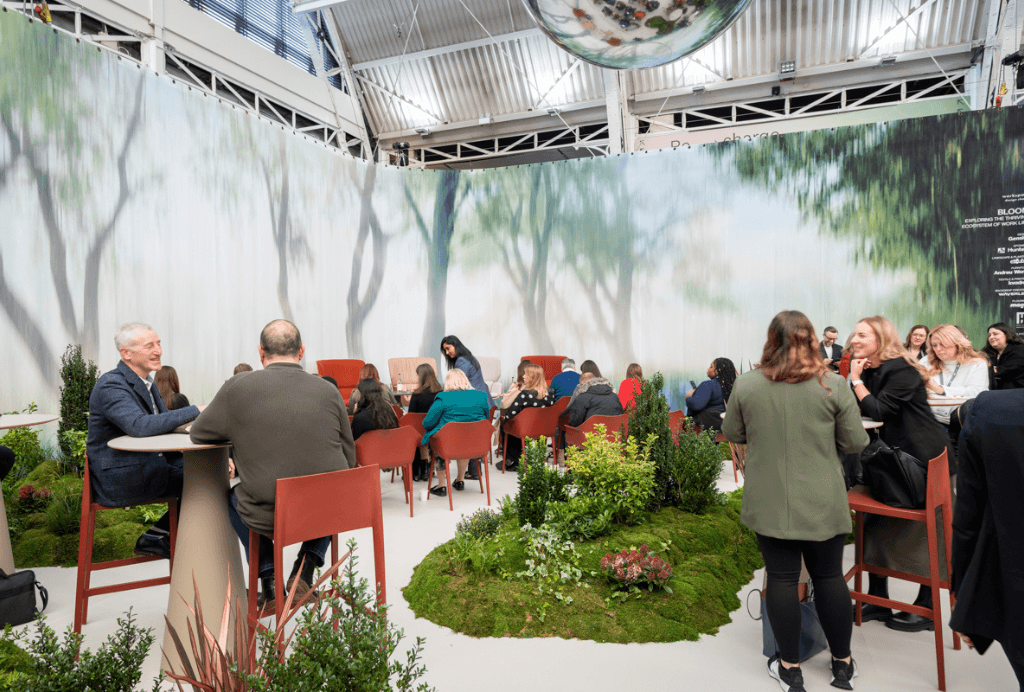
“Activate The Senses” Announced As The Theme For Workspace Design Show
Workspace Design Show announces the theme of its 2025 edition: ‘Activate the Senses’; which will explore how multi-sensory, immersive environments aid wellbeing, productivity and engagement in the workplace.
Workspace Design Show returns to the Business Design Centre from 26 - 27 February 2025 and it is a welcomed addition to London’s design calendar, attended by the top architects, designers, occupiers, developers, consultants, coworking and fit-out companies. It is the event to explore workspace innovation, unveil the latest products, ignite your creative spark through thought-provoking talks and immersive programs.
"Activate the Senses" invites attendees to embark on a journey of immersive experiences that stimulate all five senses. Guests will step into a space which showcases how each ‘sense’ has a profound impact on the mind, contributing to wellbeing, engagement and productivity.
Comfort factors such as light, sound and temperature play a hugely important role in the design of the working environment. The same factors can also be divisive, if not careful considered throughout the design process, with every individual having different levels of tolerance, sensitivity and needs. From acoustics to lighting to aromas and textures, each element plays a central role in creating a multi-sensory workspace to enhance employee focus and wellbeing.
As we embrace technological advancements and invest in new design approaches, the understanding of how external influences affect everyone becomes increasingly more apparent. ‘Activate the Senses’ explores what this means for the future of workplaces and the people working within.
“With the industry being at such a pivotal point of change we are looking to gain a deeper understanding of how, through research and knowledge, technological innovations can benefit the workplace environment. We are all becoming increasingly more in tune with our personal needs and how they differ from one person to the next. Through talks, exhibitors and connections
Workspace Design Show will bring this to life.” - Esha Bark-Jones, Co-Founder of Workspace Design Show.

Redefining Workplace Design: HLW’s Journey Towards Healthier Workplaces With The Healthy Materials Protocol
AUTHOR
Alison Grant,
Senior Designer
HLW
How does our role as workplace designers transcend merely creating visually appealing and functional offices to encompass the creation of environments that promote health, sustainability, and social responsibility? To empower our team with knowledge about healthy and sustainable building materials, at HLW we introduced our own Healthy Material Protocol last year. This protocol encourages our designers to think creatively when choosing materials, explore unconventional options, and always consider the broader implications of their choices. We are interrogating material specifications, establishing baselines for embodied carbon, and replacing standard products with innovative alternatives.
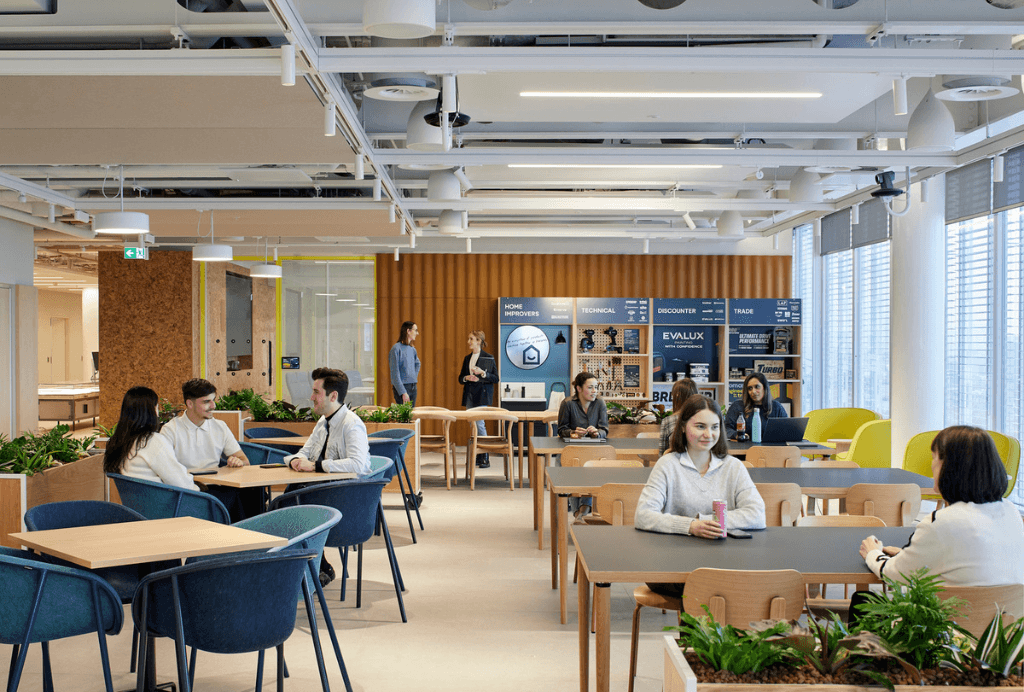
We recently had a chance to put the protocol into action with the design of home improvement company Kingfisher’s London HQ. Tasked with aligning the office with the company's forward-thinking Environmental, Social, and Governance (ESG) objectives, our primary focus was on decarbonization. This involved meticulous attention to reducing embodied carbon emissions through the entire lifecycle of the interior fit-out—from raw material extraction to disposal and recycling. Working closely with the client and sustainability consultancy BEYOND, we scrutinized every aspect of the building's materials, resulting in a staggering 78% reduction in embodied carbon.
Additionally, our experience with Kingfisher emphasised the importance of considering the entire lifecycle of materials. For example, we are now rethinking how we integrate joinery and finishes, as well as furniture, which use adhesive in the assembly stage. These are dangerous to our health as they contain hazardous chemicals, but also to the planet as they limit the after-life potential of materials.
It also got us thinking about how we can delve deeper into sustainable practices and consider how we introduce biophilia into our projects. For HLW, this means far more than just planting.
HLW considered the 15 patterns of biophilia and which were most relevant to the brief to include within the design and enhance the connection between employees using the space and nature. For example, we provided areas of refuge, one of the 15 patterns of biophilia, with a feeling of calm and safety mixed in with unexpected details and lively injections of colour. To balance the use of the refuge spaces, the other biophilic pattern which was deemed important to Kingfisher was Prospect, HLW achieved this by providing unimpeded views along the open plan space allowing the users to plan journeys and surveil the space.
Another principle of biophilic design, Material Connection With Nature, emphasizes the incorporation of natural elements and materials in design the use of natural materials, significantly enhancing health in our office environments. By using materials that age gracefully and have a tactile, authentic quality, designers can create a more inviting and comforting atmosphere in the spaces they design. For instance, timber surfaces and furniture can evoke a sense of stability and calm, while stone elements offer a grounding effect.
At Kingfisher, natural materials like cork, plywood and timber not only bring aesthetic warmth and texture but also contribute to improved air quality and reduced exposure to harmful chemicals commonly found in synthetic materials. Additionally, they are proven to produce biophilic reactions such as a reduction in stress and cortisol levels.
HLW's Healthy Materials Protocol aligns with these principles by prioritizing the selection of natural materials that are free from harmful substances, ensuring a healthier indoor environment. This protocol underscores the importance of using materials that contribute to both physical health and psychological wellbeing.
With the Healthy Materials Protocol, we hope to inspire a shift in how the industry specifies materials. By thoughtfully selecting and integrating natural materials and patterns of nature, and carefully vetting all materials and furniture, we can create healthier, more inspiring workspaces that support the mental and physical wellbeing of employees.